Tuesday, 27 June 2017

LEARN 8 WAYS YOU CAN PREVENT BREAST CANCER


Breast cancer. Just reading those words can make many women worry. And that’s natural.
Nearly everyone knows someone touched by the disease.But there is a lot of good news about breast cancer these days. Treatments keep getting better, and we know more than ever about ways to prevent the disease. These eight simple steps can help lower the risk of breast cancer. Not every one applies to every woman, but together they can have a big impact.

1. Keep Weight in Check

It’s easy to tune out because it gets said so often, but maintaining a healthy weight is an important goal for everyone. Being overweight can increase the risk of many different cancers, including breast cancer, especially after menopause.

2. Be Physically Active

Exercise is as close to a silver bullet for good health as there is, and women who are physically active for at least 30 minutes a day have a lower risk of breast cancer. Regular exercise is also one of the best ways to help keep weight in check.

3. Eat Your Fruits & Vegetables – and Avoid Too Much Alcohol

A healthy diet can help lower the risk of breast cancer.  Try to eat a lot of fruits and vegetables and keep alcohol at moderate levels or lower (a drink a day or under).  While moderate drinking can be good for the heart in older adults, even low levels of intake can increase the risk of breast cancer.  If you don’t drink, don’t feel you need to start. If you drink moderately, there’s likely no reason to stop. But, if you drink more, you should cut down or quit.

4. Don’t Smoke

Smokers and non-smokers alike know how unhealthy smoking is.  On top of lowering quality of life and increasing the risk of heart disease, stroke, and at least 15 cancers – including breast cancer – it also causes smelly breath, bad teeth, and wrinkles. Now that’s motivation to stay smoke-free or work to get smoke-free.

5. Breastfeed, If Possible

Breastfeeding for a total of one year or more (combined for all children) lowers the risk of breast cancer. It also has great health benefits for the child.

6. Avoid Birth Control Pills, Particularly After Age 35 or If You Smoke

Birth control pills have both risks and benefits. The younger a woman is, the lower the risks are. While women are taking birth control pills, they have a slightly increased risk of breast cancer. This risk goes away quickly, though, after stopping the pill. The risk of stroke and heart attack is also increased while on the pill – particularly if a woman smokes. However, long-term use can also have important benefits, like lowering the risk of ovarian cancer, colon cancer and uterine cancer – not to mention unwanted pregnancy – so there’s also a lot in its favor. If you’re very concerned about breast cancer, avoiding birth control pills is one option to lower risk.

7. Avoid Post-Menopausal Hormones

Post-menopausal hormones shouldn’t be taken long term to prevent chronic diseases, like osteoporosis and heart disease. Studies show they have a mixed effect on health, increasing the risk of some diseases and lowering the risk of others, and both estrogenonly hormones and estrogen-plus-progestin hormones increase the risk of breast cancer. If women do take post-menopausal hormones, it should be for the shortest time possible. The best person to talk to about the risks and benefits of post-menopausal hormones is your doctor.

8. Tamoxifen and Raloxifene for Women at High Risk

Although not commonly thought of as a “healthy
behavior,” taking the prescription drugs tamoxifen
and raloxifene can significantly lower the risk of
breast cancer in woman at high risk of the disease.
Approved by the FDA for breast cancer prevention,
these powerful drugs can have side effects, so
they aren’t right for everyone. If you think you’re
at high risk, talk to your doctor to see if tamoxifen or raloxifene may be right for you.

Find Out Your Family History

Women with a strong family history of cancer can take special steps to protect themselves, so it’s important for women to know their family history. You may be at high risk of breast cancer if you have a mother or sister who developed breast or ovarian cancer (especially at an early age) or if you have multiple
family members (including males) who developed breast, ovarian or prostate cancer. A doctor or genetic counselor can help you understand your family history of the disease.

Don’t Forget Screening

Despite some controversy, studies show that breast cancer screening with mammography saves lives. It doesn’t help prevent cancer, but it can help find cancer early when it’s most treatable.  For most women, regular mammograms can begin at age 40, but specific recommendations vary by age and risk.
If you are age 40 – 44:
You can choose to begin yearly mammograms.  It is important to talk to a doctor about the risk and benefits of mammograms at these ages.
If you are age 45 – 54:
Mammograms are recommended every year.
If you are age 55 or over:
Mammograms are recommended every other year. You can choose to continue to have them every year.
Clinical breast exams and self-exams are not recommended. But you should be familiar with your breasts and tell a health care provider right away if you notice any changes in how your breasts look or feel.
Other Important Risk Factors for Breast Cancer
Unfortunately, there are also a number of important breast cancer risk factors that women have no control over. Knowing which ones apply to you can help you understand your risk and do what you can to lower it. If you feel you’re at high risk, talk to a doctor or other health professional. These can increase a woman’s breast cancer risk:
  • Older age, especially 60 years or over
  • Family history of breast cancer
  • First menstrual period (menarche) before age 12
  • Menopause at age 55 or over
  • First childbirth after age 35
  • No children
  • Tall height (5’8” or taller)
  • Dense breasts
  • History of benign breast disease (like atypical hyperplasia


5 Natural Penis Enlargement Exercises You Have to Try Right NOW!


#1. ULTIMATE STRETCHER


EXTRA TIPS:
  This is a perfect workout for increasing length
  You will need to achieve between 0-30% erection
  Take short breaks between each stretch if necessary
  Repeat this technique 2 times in every direction
  Your session should last for 5-10 minutes
Improves: Length
Difficulty level: Beginner
Risk of injury: Small
Time required: 5-10 Minutes
The “Ultimate Stretch” is great technique especially for those who want to improve their length. It is a simple tactic that involves just stretching your flaccid little buddy out.
Here are detailed directions:
  1. Take your time for a proper warm-up phase.
  2. Retract your foreskin and grasp your phallus behind (about one inch below) its head/glans firmly.
  3. You should feel no pain or significant discomfort (do not cut off too much blood circulation).
  4. Pull it outwards with enough force to feel painless stretch inside your shaft.
  5. Hold that position for 20 to 30 seconds.
  6. If needed, rest for 5 seconds.
  7. Repeat steps 2 to 4 but this time pull it upwards to your belly button.
  8. Repeat but this time pull it downwards to your knees.
  9. Repeat but this time pull it to your right side.
  10. Repeat but this time pull it to your left side.
  11. Take your time to go through a cool down phase.

    #2. THUMB STRETCHER


    EXTRA TIPS:
     Ideal technique for gaining length
     Achieve between 0-30% erection
     Alternate spots where you place your thumb to spread gains evenly
     One session should last for 2-3 minutes
    Improves: Length
    Difficulty level: Advanced
    Risk of injury: Medium
    Time required: 2-3 Minutes
    The “Thumb Stretcher” is a slightly different technique you should add to your length boosting regime as well:
    1. Take your time for a proper warm-up phase.
    2. Retract your foreskin and grasp your phallus behind (about one inch below) its head/glans firmly.
    3. You should pull it outwards without feeling any pain or significant discomfort.
    4. Use your other hand to place a thumb at the base of your penis (first third).
    5. Press with your thumb down in the direction of your knees.
    6. You should pull in both directions at the same time with enough force to feel a painless stretch inside your shaft.
    7. Hold that position for 20 to 30 seconds.
    8. If needed, rest for 5 seconds between each repetition.
    9. Repeat steps 2-7 four times in one session but change the spot where you place your thumb.
    10. Take your time to go through a cool down phase.
    I highly suggest using one of the most popular penis extenders for more efficient enlargement as these devices can be worn during the day so you can stretch and run your errands at the same time.

    #3. BACKWARD PULLER


    EXTRA TIPS:
     Achieve between 30-75% erection
     Alternate spots where you place your thumb to spread gains evenly
     Your session should last for 4-6 minutes
    Improves: Length & skin
    Difficulty level: Beginner
    Risk of injury: Medium
    Time required: 4-6 Minutes
    All you need to do in the Backward Puller is to follow these steps:
    1. Take your time for a proper warm-up phase.
    2. Retract your foreskin and place your thumbs on the top of your shaft one inch behind its head/glans.
    3. Place other fingers on both hands on the bottom side of your shaft to support it.
    4. Pull the skin on top of your penis with your thumbs in the direction of your body.
    5. Use enough force to feel a painless stretch and tension in your shaft.
    6. Hold that position for about 15-25 seconds.
    7. If needed, rest for 5 seconds between each repetition.
    8. Repeat steps 2-7 ten times in one session but change the spot where you place your thumbs.
    9. Take your time to go through a cool down phase.
    While this exercise is not that effective per se, it is a great addition to your PE routine and provides a little different type of tension for your penis.

    #4. OPPOSITE STRETCH

    Opposite stretch step 1

    EXTRA TIPS:
     Ideal for gaining length
     Achieve between 0-30% erection
     Begin with 6 repetitions
     Your session should last for 3-5 minutes
    Improves: Length
    Difficulty level: Beginner
    Risk of injury: Low
    Time required: 3-5 Minutes
    The Opposite Stretch is an exercise that might make you flinch a little just reading about it! However, make no mistake, as it’s very effective and will increase your size, especially length.
    All you need to do is just follow nine simple steps:
    1. Take your time for a proper warm-up phase.
    2. Retract your foreskin and grasp your phallus behind (about one inch below) its head/glans firmly.
    3. You should feel no pain or significant discomfort (do not cut off too much blood circulation).
    4. With your second hand, grip the shaft with a standard ok-grip (between thumb and index finger) an inch above the base.
    5. Pull your first hand upwards away from and your second hand downwards to your base with enough force to feel painless stretch inside your shaft.
    6. Hold that position for 20 to 30 seconds.
    7. If needed, rest for 5 seconds.
    8. Repeat steps 2 to 7 until you reach a desired number of repetitions.
    9. Take your time to go through a cool down phase.

      #5. KEGELS

      male anatomy
      EXTRA TIPS:
       Ideal for improving the quality of your erections
       Vary between short soft and long strong flexes
       Gradually increase a number of and difficulty of flexes
       You can do this type of workout anytime
       Your session should last at least 20-30 minutes
      Improves: Erection
      Difficulty level: Beginner
      Risk of injury: Low
      Time required: 20-30 Minutes
      It’s common knowledge that Kegel exercises are beneficial to women´s health in a variety of ways. However, very few men know that you can significantly improve the blood flow and quality of your erections.
      Your dick will look larger just by maintaining more control over the erection itself! All you need to do is the following:
      1. Identify your Pubococcygeus (PC) muscle by trying a method of stopping your urine flow naturally.
      2. Once located, you will need to contract the PC muscle.
      3. Hold this contraction for at least 5 seconds.
      4. Release and take a break for 2 seconds.
      5. Repeat steps 2-4 until you finish the desired number of repetitions.
      6. Your daily session should last for 20-30 minutes.
      Once you master these, you should go for more contractions per day and session. Eventually, you’ll be able to not only feel, but to control the muscle itself! There are various regimes you could try out.
      This workout will lead to a noticeable boost in quality of your erections as more blood will flow to your dick. Trust me that your girl will be aware of your gains and your rock-hard boners!

Bending and twisting of the penis


What’s normal?

An absolutely straight penis is unusual – most have a slight curve when erect. But this should not be more than about 25° from straight, like a banana. If your penis bends more than this, you might have Peyronie’s disease.
It is also quite normal and harmless for the penis to have a slight twist (usually anticlockwise).


Peyronie’s disease

A condition called Peyronie's disease, in which the penis becomes crooked when it is erect, occasionally develops in men. This can make sexual intercourse difficult, if not impossible. The condition is named after Dr François Gigot de la Peyronie (physician to King Louis XV of France) who wrote about it in 1743, but it has probably been around for much longer; sculptures dating from the 6th century BC depict angulated erect penises. It is estimated that 3–9 in every 100 men has Peyronie’s disease.
Men with Peyronie’s disease often worry about starting a new relationship, because of embarrassment. It is important to realize that while you will be very aware of a slight physical change, your partner will be much less aware. Talk to your new partner about it and explain that it is not an infectious or cancerous condition.
Peyronie’s disease most commonly occurs in men aged 50–60, but it can occur in young men and in old age. The cause is thickening of the fibrous tissue in the penis on one side. This means that, during an erection, one side of the penis cannot lengthen, and the penis will bend. The direction of the bend depends on the position of the thickening (which can often be felt as a lump or lumps when the penis is limp).
  • If the thickening is on the top of the penis, the erection tends to curve upwards; this is the most common type.
  • If the thickening is on either side, the penis will bend towards the side that is thickened.
  • If there is thickening on both sides, the penis may develop an hour-glass shape, but this is unusual.
You may be able to feel the thickened area; it feels like a hard piece of toffee.
Will it get better? For the first 9–18 months after Peyronie’s disease starts, it is often quite painful, especially when the penis is erect. During this period, the thickened area increases in size. After this ‘active period’, it is unlikely to become worse, and the pain becomes less. In 20% of cases, the penis will go back to normal without any treatment. Those who have had the condition for a long time feel no pain but sometimes have difficulty achieving an erection (perhaps because the lumpiness is obstructing blood flow in the penis).
What causes Peyronie's disease? No one knows why the thickening occurs, but it is not a cancerous condition, nor is it the result of sexually transmitted disease or of any odd previous sexual practices. It is more common in smokers. There seems to be a link with some other conditions. For example, men with Peyronie’s disease are quite likely to have Dupuytren’s contracture, a thickening of fibrous tissue in the palm of the hand. They are also quite likely to have raised blood pressure; some doctors think that the blood pressure itself might be responsible for the penis problem, while others blame the drugs used to treat blood pressure (particularly beta-blockers).
Treatments. There is no need to feel embarrassed about discussing the problem with your family doctor, because doctors are very familiar with the condition. It may be difficult for your doctor to assess how severe the problem is, because the curvature shows only when the penis is erect, so take a photograph of your erect penis and show it to your doctor. If the Peyronie's is only mild and does not cause any inconvenience, no treatment is necessary. 
Some treatments used to be popular, but are not used much now, either because they cause too many side effects and/or because they are not effective. These include tamoxifen (a medication also used for breast cancer, but Peryonie's disease is not a cancerous condition), L-carnitine, steroid injections into the thickening, and X-ray treatment. 
There has been a lot of research into treatments for Peyronie's disease. 'Collagenase' is a new treatment that seems very promising. Treatments that do not involve surgery are recommended during the first 12 months, while the scarring is developing. After that, when the scarring has finished forming, surgery is often the best option; more research is needed to see how effective collagenase might be at this stage. 
Cocoa butter cream. Some men with mild Peyronie’s disease say that massaging cocoa butter cream (available from pharmacies) into the curved area is helpful.
Vitamin E tablets are sometimes recommended, but scientific evidence to show that they help is scanty, although they may help other treatments to work better. Do not take more than 250 mg of vitamin E a day, because higher doses may damage your health.
Potassium aminobenzoate (sometimes called 'potaba') is another nutritional substance that has been used for a long time. Recent research shows it can reduce pain and the amount of thickening in the early stage, and that it can help to prevent the problem getting worse. However, potaba may have severe gut side effects, so many people cannot tolerate it (World Journal of Mens Health 2016;32:65–72).
Collagenase. The fibrous tissue in the thickened area of the penis contains a substance called collagen. Collagenase is a natural substance ('enzyme') that can destroy collagen. When it is injected into the thickened area it can reduce the curve by about 34%. Sixty per cent of men said there was a reduction in pain and their ability to have sex comfortably improved, as well as some straighening (Journal of Urology 2013;190:199–207). Side effects seem to be mostly minor – some pain and bruising. At present, it is used for men whose penis curves more than 30 degrees when eret. More research is needed to see what the long-term results are.
Certain medications that are cousins of Viagra (but not Viagra itself), such as pentoxifylline and tadalafil may help to reduce the size of the plaque. They may be useful in combination with other medications, and especially in men who have erection problems as well as Peyronie's disease. More research is needed.
Verapamil is a medication that is used to treat blood pressure. Verapamil gel, massaged into the skin over the thickened area, may help by dilating blood vessels and so improving oxygen supply. More research is needed.
Colchicine is a medication that may reduce tissue thickening and reduce Peyronie symptoms, but it has side effects – nausea and bowel problems.
Interferon-alpha 2A is a drug that may be able to reduce the amount of thickening when injected into the area, but more research is needed. 
Penis extension (penile traction therapy) using a special device may improve Peyronie’s very slightly. The drawback is that it needs to  be used for a long time (several hours a day for several months). The device may be available from some hospital clinics that deal with Peyronie’s and seems to work better when used with other treatments and after surgery.
Sound wave treatment is called ESWT (extracorporeal shock wave treatment). It may reduce pain somewhat, but in any case pain reduces over time. It does not straighten the penis.
Surgery to correct the deformity is the most effective treatment, especially if the curve is severe (more than 60 degrees). Before deciding on surgery, the surgeon will carry out some tests. These might include an injection into the penis to make it erect so that the problem can be seen properly. The surgeon will probably suggest waiting several months before having the operation to ensure the condition is stable, i.e. not in the 'active' phase. Ultrasound or MRI scans might also be performed. In the usual operation, the surgeon cuts out some tissue from the opposite side to balance out the thickened area. After the operation the erect penis will be straighter (but not always restored to normal) and 1–3 cm shorter than before when erect, but many men do not notice any difference. Studies have shown that only 58–88% of men are satisfied with the result of the operation, partly because although it straightens the penis it leaves the thickened area in place, so it may still be painful. Also, a few men have difficulty achieving an erection after the operation.
In another type of operation, the surgeon cuts a slit in the thickened area and inserts a piece of tissue (usually a piece of vein from the groin or ankle, or an artificial substance). This makes the area more flexible, and there is no shortening of the penis. However, about 30% of men have difficulty in obtaining an erection after this operation.


Monday, 26 June 2017

Vitamin K Deficiency, Foods & Health Benefits


Vitamin K Deficiency?

Vitamin K is an essential fat-soluble vitamin that plays an important role in bone and heart health. It is one of the main vitamins involved in bone mineralization and blood clotting, but also helps to maintain brain function, a healthy metabolism, and to protect against cancer.

Vitamin K is most well known for being responsible for bone building and blood clotting. Blood would not clot without vitamin K because the vitamin activates the protein that is responsible for forming clots within the blood.
The vitamin K that we are able to absorb from our diet is related to the intestinal bacteria that we have, so your current vitamin K levels can depend greatly on the gut or digestive health. Vitamin K ia also one of the most crucial vitamins for preventing heart disease. Studies have shown that individuals who increase their intake of dietary Vitamin K have a lower risk of cardiovascular mortality. This is why vitamin K deficiency can be so dangerous. However, before supplementing vitamin K there are a few things you should know.
Vitamin K Types
There are two main types of vitamin K that we acquire from our diets: vitamin K1 and vitamin K2. Vitamin K1 is found in vegetables, while vitamin K2 is found in dairy products and is produced by the bacteria in your gut. The best way to get the daily requirement of vitamin K is by eating foods that are rich in the vitamin, like green leafy vegetables, broccoli, cabbage, fish and eggs.
There is also a synthetic version of vitamin K which is called vitamin K3, but I do not recommend getting your required vitamin K this way. Instead, eat plenty of whole foods that are high in vitamin K and other important nutrients too.

Vitamin K Deficiency Symptoms

When the body lacks enough vitamin K, it goes into emergency mode, keeping up only the critical functions needed for immediate survival. The result is that the other vital processes break down and leave the body vulnerable to weak bones, cancer development, and heart problems.

Poor diet is one of the factors that greatly plays into a vitamin K deficiency. Some other common contributors are taking antibiotics for an extended period of time, suffering from intestinal problems such as chronic irritable bowel syndrome (IBS) or inflammatory bowel disease, and taking cholesterol lowering medications.
Because vitamin K is produced by healthy bacteria in the gut, any disruption in the intestines- like leaky gut syndrome for example- can result in a decreased ability of the body to absorb or produce enough vitamin K.
A vitamin K deficiency occurs when the body can’t properly absorb the vitamin from the intestinal tract. A deficiency can commonly be a result of taking antibiotics long term because the bacteria in your intestines make vitamin K, and antibiotics can kill the helpful bacteria.Some other health problems that can prevent your body from absorbing vitamin K are gallbladder or biliary disease, liver disease, cystic fibrosis, gluten sensitivity or celiac disease, and Crohn’s disease. Taking blood thinners, dealing with long term hemodialysis, and suffering from a serious burn can also lead to a vitamin K deficiency.
Vitamin K deficiency is somewhat rare and is not known to be one the most common deficiencies, however when someone is deficient in vitamin K, it is very serious. A vitamin K deficiency in adults can lead to heart disease, weakened bones, tooth decay and cancer. A warning sign of a vitamin K deficiency is bleeding and bruising easily. This bleeding can begin as an oozing from the gums or nose..

Vitamin K in Infants

Researchers have known for years that newborn babies are born with a vitamin K deficiency, having lower levels of vitamin K present in their bodies than adults do. This deficiency if it is severe enough can cause disease in newborn babies, such as a hemorrhagic disease, known as HDN. Severe vitamin K deficiency is more common in babies that are born pre-term than who are breastfed.
Studies have shown that because babies are born with lower levels of 

bacteria in their intestines, they sometimes do not convert enough vitamin K from the food or break milk. The lower level of vitamin K in newborns is attributed to both lower levels of bacteria within their intestines and also to the poor ability of the placenta to transport the vitamin from the mother to the baby. Aside from this, vitamin K is known to exist in lower concentrations in breast milk (perhaps due to the medications often given to mothers that inhibit vitamin K uptake). This is why babies who are breastfed may be more inclined to have a vitamin K deficiency.
It is usually protocol to give newborns a vitamin K injection upon birth to prevent bleeding and HDN development.  While Vitamin K injections are widely accepted, there are many chemical components in the shots that can affect an infants development, and I would not recommend using them. I would recommend instead using naturally sourced oral vitamin K drops without the synthesized vitamin K or added chemicals.

TOP 14 VITAMIN K FOODS:

 The daily value (DV) for vitamin K is 90 mcg for adults. Keep in mind that your recommended daily allowance depends on your age and gender, and the exact RDA that’s best for you can be found listed below.  Here are some of the top vitamin K foods:
1) Dandelion Greens
1 cup raw: 428 (535%)
2) Mustard Greens
1 cup raw: 278 mcg (348%)
3) Swiss Chard
1 cup raw: 298 mcg (over 100% DV)
4) Spring onions (Scallions)
1 cup: 207 mcg (249% DV)
5) Brussel Sprouts
1 cup raw: 156 mcg  (195%)
6) Turnip Greens
1 cup: 138 mcg (173% DV)
7) Spinach
1 cup: 145 mcg (181% DV)
8) Kale
1 cup raw: 112 mcg (over 100% DV)
9) Broccoli
1 cup: 92 mcg (116% DV)
10) Asparagus
1 cup uncooked: 55 mcg (70%)
11) Sea Vegetables (kelp)
1 cup: 52 mcg (64% DV)
12) Cabbage
1 cup raw: 31 mcg (40% DV)
13) Cucumbers
1 cup: 17 mcg (22% DV)
14) Cauliflower
1 cup raw: 16 mcg (20% DV)

Vitamin K Health Benefits

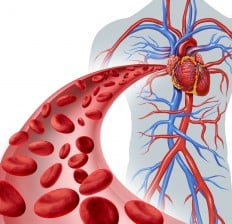
Red Blood Cells Heart Circulation

1. Supports Heart Health

Vitamin K has been shown to help prevent calcification of arteries, one of the leading causes of heart attacks. It works by carrying calcium out of the arteries and not allowing it to form into hard, dangerous plaque deposits.
Vitamin K helps to prevent hardening of the arteries because it can keep calcium out of your artery linings and other body tissues, where it can cause damage. This is especially true for vitamin K2, which is the vitamin that is made naturally in the bacteria of your intestines.
Some studies show that vitamin K is a critical nutrient for reducing inflammation and protecting cells that line blood vessels, including both veins and arteries. Consuming proper levels of vitamin K is important for maintaining healthy blood pressure and decreasing the chances of cardiac arrest.

 2. Improves Bone DensityHip joint bone density cross section
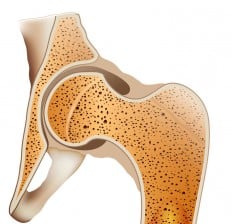
Vitamin K increases the amount of a specific protein required to maintain bone calcium, reducing the risk of osteoporosis. Some studies on vitamin K have even found that high intakes of vitamin K can stop bone loss in people with osteoporosis. Your body needs vitamin K to use calcium to build bones.
There is increasing evidence that vitamin K can improve bone health and reduce the risk of bone fractures, especially in postmenopausal women who are at risk for osteoporosis.
According to recent research, men and women with the highest intake of vitamin K2 (which is found in dairy products and is produced naturally in your intestines) are 65% less likely to suffer a debilitating hip fracture as compared to those with the lowest intake of vitamin K2.
These studies have demonstrated that vitamin K can not only increase bone mineral density in osteoporotic people, but it can reduce fracture rates as well.
There is also strong evidence that vitamins K and Vitamin D, a classic in bone metabolism, work together to improve bone density.  There is increasing evidence that vitamin K positively affects calcium balance in the body, and calcium is a key mineral in bone metabolism. Studies of male and female athletes have also found that vitamin K helps with bone health. For people who are already injured, consuming enough Vitamin K foods can help prevent sprained ankles and to help heal broken bones.

3. Helps with Menstrual Pain and Bleeding

Vitamin K can help to reduce PMS cramps and other menstrual pains by regulating the function of your hormones. Because vitamin K is a blood clotting vitamin, it can also help with excessive bleeding during the menstrual cycle and offer pain relief  for PMS symptoms.
Excessive bleeding leads to more cramps and pain during your menstrual cycle. Many studies show that since vitamin K can help with the symptoms of PMS, the opposite is also true- a vitamin K deficiency will only make these symptoms worse.

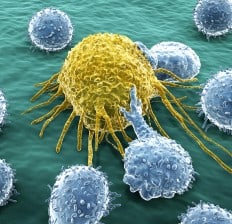
Cancer cell attacked by lymphocytes

4. Fights Cancer

Vitamin K has been shown to be effective in reducing the risk of prostate, colon, stomach, nasal, and oral cancers. One study even found that high doses of vitamin K helped patients with liver cancer stabilize and even improve their liver function. One study showed that an increase in dietary intake of vitamin K is associated with a reduced risk of cardiovascular, cancer, or all-cause mortality in a Mediterranean population at high cardiovascular disease risk.

5. Helps Blood Clotting

Vitamin K clots blood and stops your body from bleeding or bruising easily. The blood clotting process is very complex, as it requires at least 12 proteins to function before the process can be completed. Four of these protein clotting factors require vitamin K for their activity; therefore, vitamin K is essential. Because vitamin k helps to facilitate in blood clotting, it plays an important role in helping to heal bruises fast and also to heal cuts.
Haemorrhagic disease of newborns (known as HDN) is a disease where blood clotting does not properly take place. This is  developed by a newborn babies because of a vitamin K deficiency. One study found that it is necessary to give newborns a vitamin K injection at birth in order to safely eradicate HDN; this practice has been proven to be harmless for newborns.
Brain MRI cross section

6. Improves Brain Function

A study found that vitamin K dependent proteins are particularly important for the brain. Vitamin K participates in the nervous system through its involvement in sphingolipid metabolism, which is a class of naturally occurring molecules that are widely present in brain cell membranes.
Sphingolipids are biologically potent molecules involved in a wide range of cellular actions, and they are known for their structural role in building and supporting the brain.
There is also growing evidence that vitamin K has anti-inflammatory activity and can protect your brain against oxidative stress caused by free radical damage. Oxidative stress can damage your cells and is thought to be involved in the development of cancer, Alzheimer’s disease, Parkinson’s disease and heart failure.

7. Helps Maintain Health of Gums & Teeth

A diet low in fat soluble vitamins including vitamin A, C, D, and vitamin K has been linked to having more cavities and symptoms related to gum disease. Beating tooth decay and gum disease requires you to increase your fat soluble vitamins that play a role in bone and teeth mineralization.
A healthy diet rich in vitamins and minerals helps to kill harmful bacteria that live in the mouth and produce teeth damaging acids. Vitamin K is one nutrient that works with other minerals and vitamins to kill bacteria that destroy tooth enamel resulting in tooth decay, and also provides teeth with the proper minerals they need to remain strong.


Recommended Daily Intake of Vitamin K

The Recommended Daily Allowance (RDA) for vitamin K depends on your gender and age; other factors, such as breastfeeding, pregnancy, and illness, will also alter your RDA.
The Food and Nutrition Board at the Institute of Medicine recommend the following as adequate intake of vitamin K:
Infants
  • 0 – 6 months: 2.0 micrograms per day (mcg/day)
  • 7 – 12 months: 2.5 mcg/day
Children
  • 1 – 3 years: 30 mcg/day
  • 4 – 8 years: 55 mcg/day
  • 9 – 13 years: 60 mcg/day
Adolescents and Adults
  • Males and females age 14 – 18: 75 mcg/day
  • Males and females age 19 and older: 90 mcg/day

Vitamin K Side Effects & Interactions


If you are pregnant or nursing, you should avoid vitamin K supplements that have a higher dose than the recommended daily allowance. If you have experienced stroke, cardiac arrest, or are prone to blood clotting, you should not take vitamin K without first consulting your physician.
If you take blood thinning drugs, you may need to limit vitamin K foods. You should know that vitamin K, or foods containing vitamin K, can affect how these drugs work.
If you take antibiotics for more than ten days, you may need to increase your intake of vitamin K because antibiotics can kill the bacteria in your intestines, which is what allows your body to absorb vitamin K.
Orlistat, a medication that used for weight loss, and Olestra, a substance that is added to some foods, can lower the amount of fat that your body can absorb; because vitamin K is a fat-soluble vitamin, this can minimize your vitamin K levels. Doctors who prescribe Orlistat will typically suggest that you take a multivitamin as well, and The Food and Drug Administration now requires that all food containing olestra must add in fat-soluble vitamins like A, D, and E.
Medications that are used to reduce cholesterol will reduce how much fat your body absorbs, and may also reduce absorption of fat-soluble vitamins. Speak to your health care provider in order to ensure that you are getting enough vitamin K if you take these kinds of medication.
Be careful if you take vitamin E supplements because vitamin E can interfere with how vitamin K works in your body.

 Relationship Between Vitamin K & Other Nutrients 

Vitamin K works with the other nutrients that are important to your bone health, such as calcium, vitamin D, and magnesium. These nutrients ensure that your bones stay strong.
If you are consuming too much vitamin K, then vitamins A and E may compete for absorption with vitamin K. But this is only if you are taking high doses of vitamin K, not if you are getting your vitamin K from foods or naturally in your intestines.

Acquiring More Vitamin K Naturally

In order to naturally add more vitamin K to your diet, try consuming whole food sources including plenty of leafy greens, cruciferous vegetablessea vegetables, and more. Try making some of these recipes rich in vitamin K: